Samadai and Sataya are not the same reef
Samadai (Sha’ab Samadai) lies offshore from Marsa Alam town. HEPCA identifies it as a resting habitat for spinner dolphins and describes a management scheme that separates protected dolphin zones from areas where supervised visitor activities may take place. It is often marketed as “Dolphin House”.
Sataya (Sha’ab Satayah) lies much farther south in the Red Sea and is also called “Dolphin Reef” or “Dolphin House”. Its more southerly location means the hotel-to-port journey and time on the boat can be materially different. Do not assume the same duration or starting point from two listings that both say “Dolphin House”.
Before choosing, ask the operator to write the exact reef name, the harbor or marina, expected hotel pickup and return, and the amount of time planned on the water. Keep the name in the booking confirmation, not only in a WhatsApp advertisement.
What a Samadai booking should explain
Samadai is significant because it is not simply an open swimming destination. HEPCA’s conservation work describes separate zones for resting dolphins and tourist activities, limits and rules intended to reduce disturbance. Ask the operator which visitor areas are permitted on your travel date and whether any park or sanctuary charges are already included.
Do not use old online timetables or past fee amounts as the current tariff; site management and permitted activity can change. A responsible provider will explain its briefing, guide supervision, water-entry procedure and contingency when dolphins remain in the no-entry zone.
Even if dolphins are present, the right experience may be to watch from a designated distance or enjoy the reef without attempting an encounter. A protected resting area is not a promise of close-up swimming.
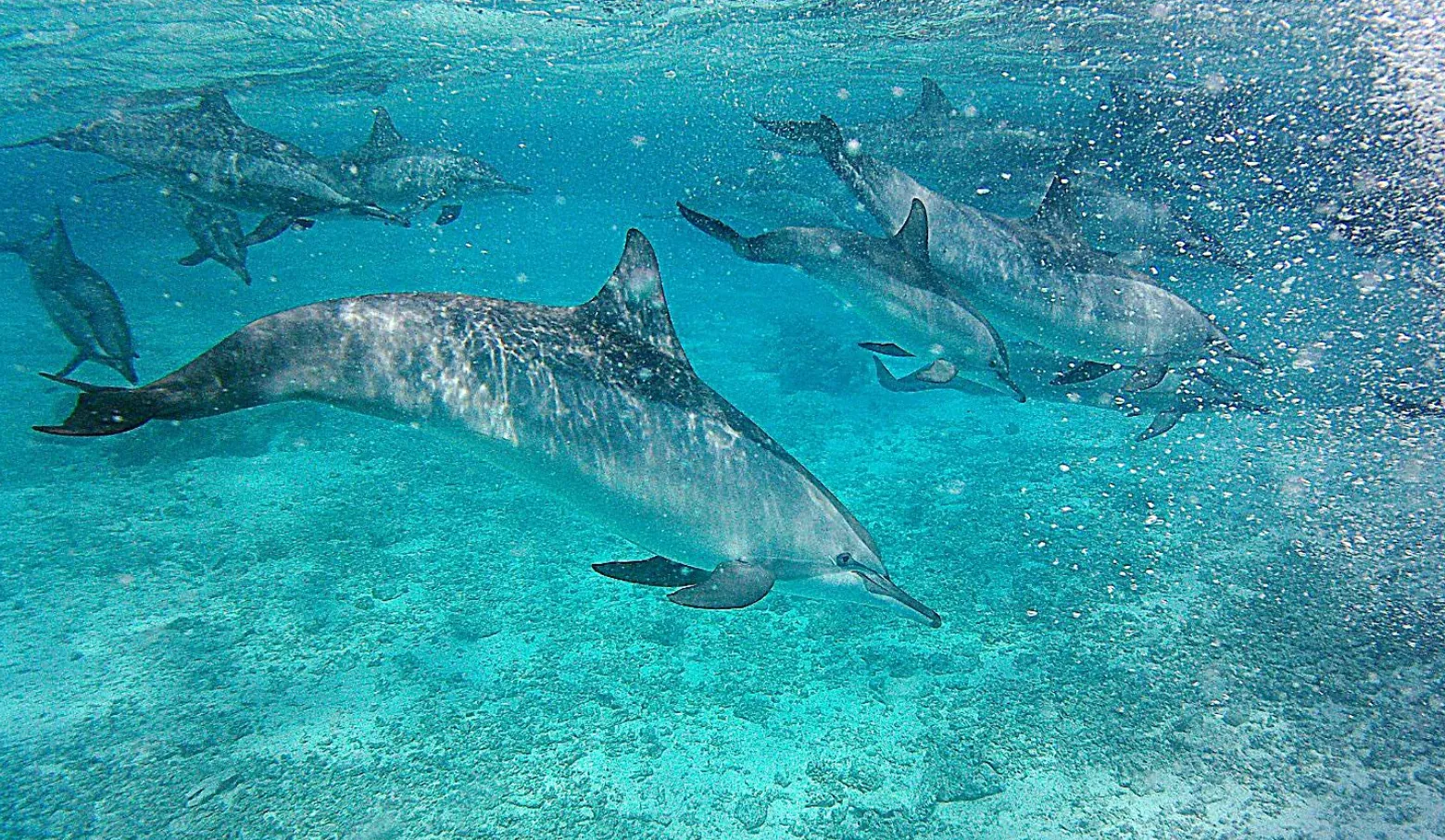
What is different about Sataya?
Sataya attracts visitors specifically for the dolphin-reef experience farther south. It requires a more location-sensitive plan: a trip advertised from one Marsa Alam hotel may involve substantially more ground transport than the same tour sold from a resort closer to the southern departure point.
HEPCA reported work on a management plan for Sataya based on studies of the reef as a dolphin resting habitat. That historical research helps explain why disturbance matters; it is not an up-to-date promise of sightings, permitted zones or daily visiting conditions in November 2026.
Ask whether your proposed trip is a day excursion or a longer liveaboard-type programme, which port it uses, and how conditions affect departure. A short internet headline cannot tell you how much time your group will spend driving, sailing, snorkeling or waiting.
Dolphin watching is not dolphin pursuit
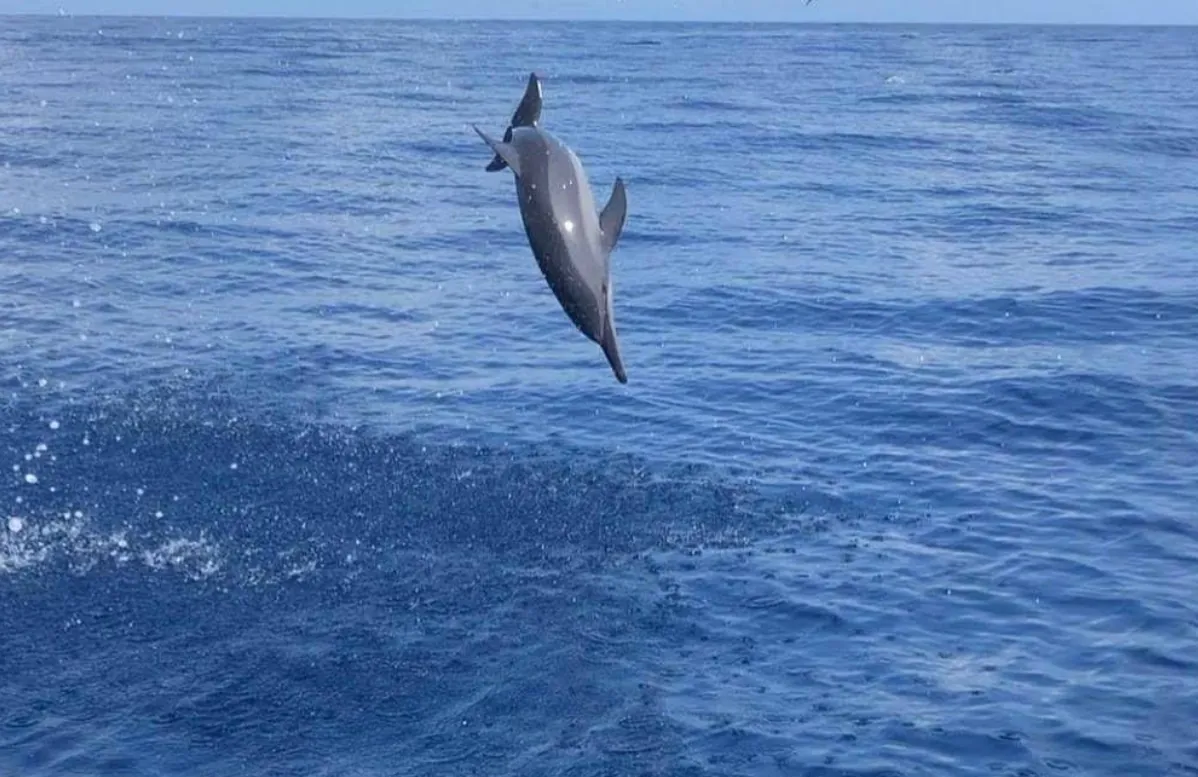
Spinner dolphins may use protected reef lagoons to rest during daylight hours. HEPCA’s code of conduct emphasizes passive interaction: no chasing, touching, feeding, surrounding or forcing animals to change their behaviour. Boats should not crowd a pod or block its escape route, and swimmers must follow the guide and relevant site requirements.
A tour labelled “swim with dolphins” deserves careful questions. Does the crew explain what it does if dolphins are sleeping or moving away? Does it stop an encounter if the animals show signs of disturbance? Is snorkeling still worthwhile if no dolphins appear?
Choose an operator whose answer prioritises the animals and visitor safety. Ask for clear details about life jackets, guide-to-guest supervision, the condition of snorkeling equipment, and whether the activity is suitable for children or nervous swimmers.
Comparing the total day and price
The total cost is not only the boat seat. Ask for a written price covering hotel pickup, long road transfers if needed, boat, snorkelling gear, guide, lunch and drinks, marine-park or reef entry fees, and any optional charges. Confirm which currency applies and whether payment is due before departure.
A shared tour may have a longer collection route and less flexibility. A private booking may give you control over pickup and programme, but does not grant special access to protected zones and cannot guarantee dolphins. In either format, sea state or official restrictions can alter the plan.
If your group includes children, older visitors or people prone to seasickness, compare the entire day from reception to reception. A longer boat adventure may be excellent for confident water lovers and exhausting for somebody who wanted a gentle beach morning.
Which one should you book?
Start with Samadai if you are staying around Marsa Alam town and can find a properly supervised itinerary with confirmed access arrangements. Do not assume the nearest port from a hotel marketed broadly as “Marsa Alam”.
Consider Sataya if a longer southern reef journey is part of the experience you want and the departure is practical for your hotel. Check the pickup and return carefully; distance can make a dramatic difference.
Choose a shore-based snorkeling day instead if the main goal is simply to see colourful marine life without committing to a long boat programme. Our Abu Dabbab Beach guide covers one of the coastal alternatives. For destination choice, see Hurghada or Marsa Alam?.
Whatever you choose, write “Samadai” or “Sataya” in the final itinerary, ask how the operator protects resting dolphins and treat a sighting as an unexpected privilege rather than a product included in the price.
PHOTOGRAPHS FROM THE COAST
Samadai and Sataya in visitor photographs
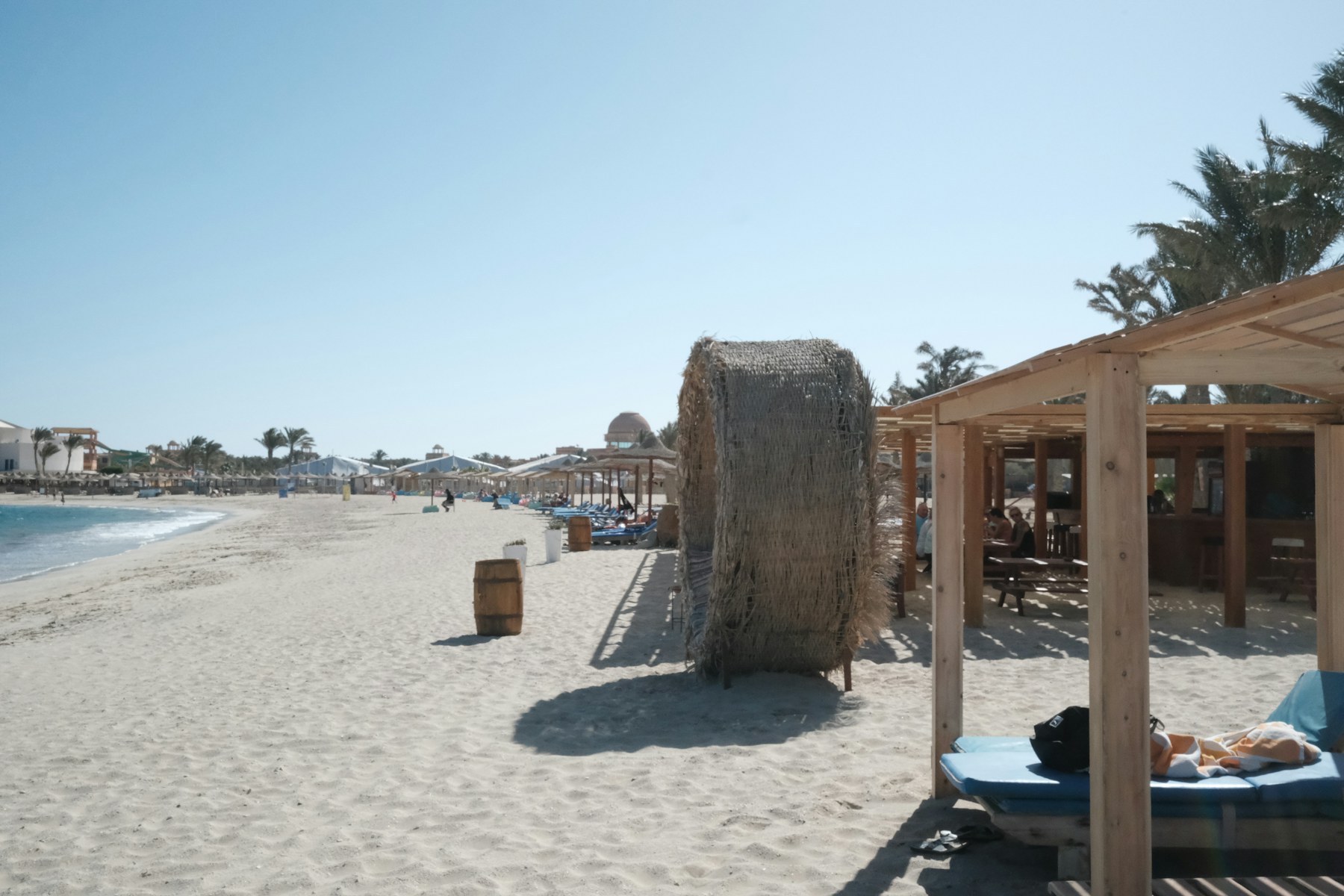
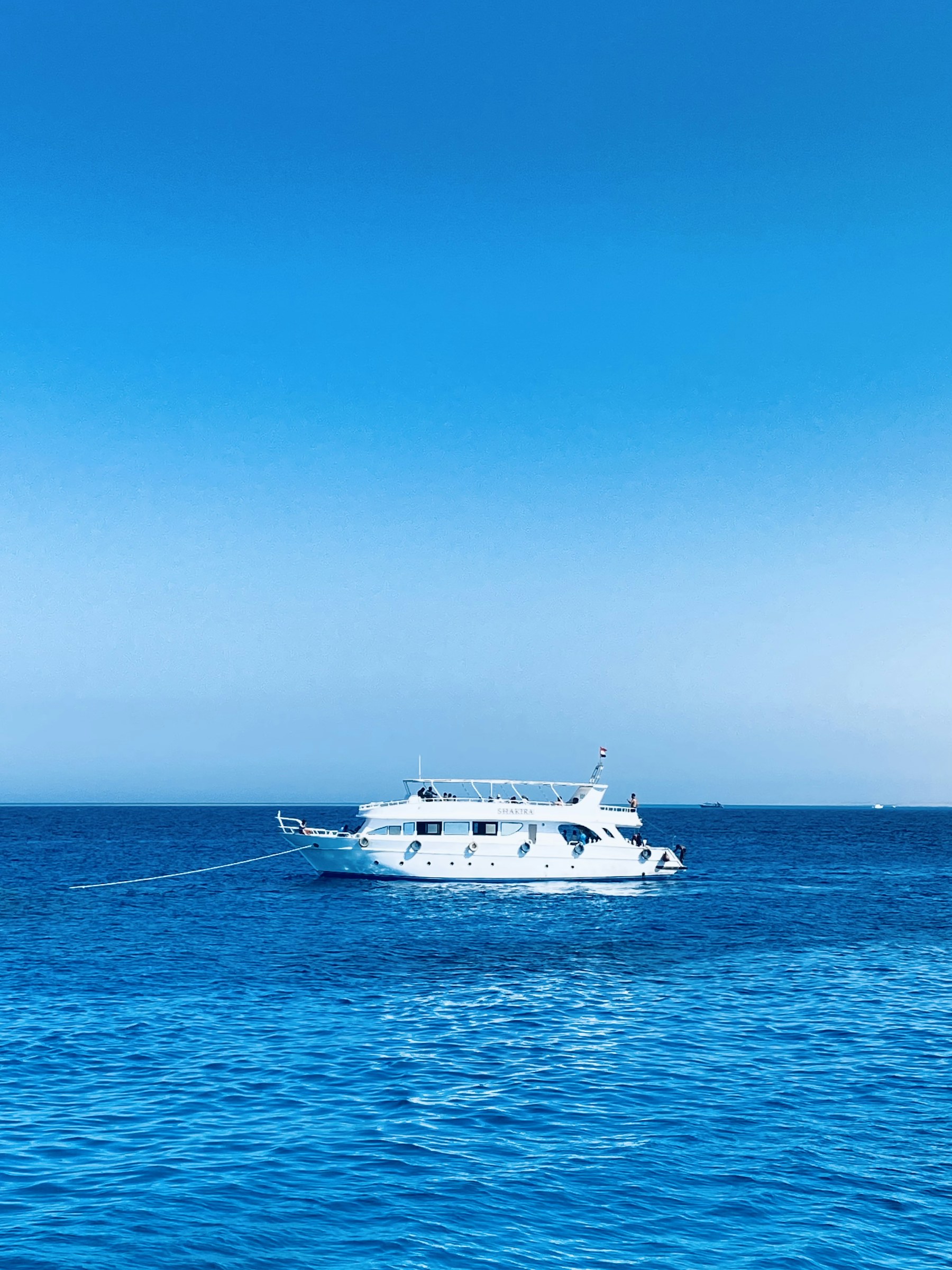
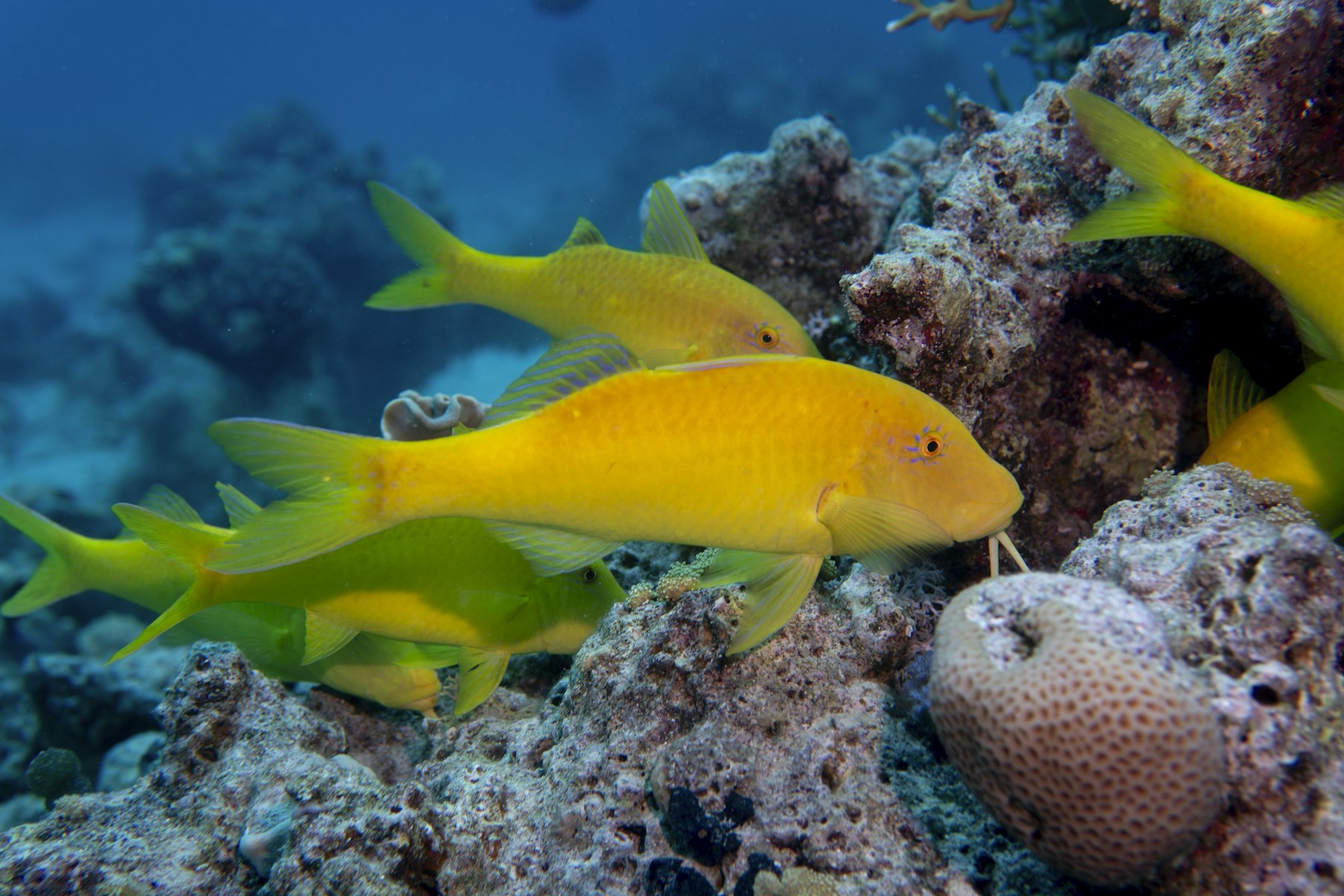
These visitor-contributed photographs are published with permission. They show moments from real visits, not guaranteed wildlife encounters or permanent service arrangements.
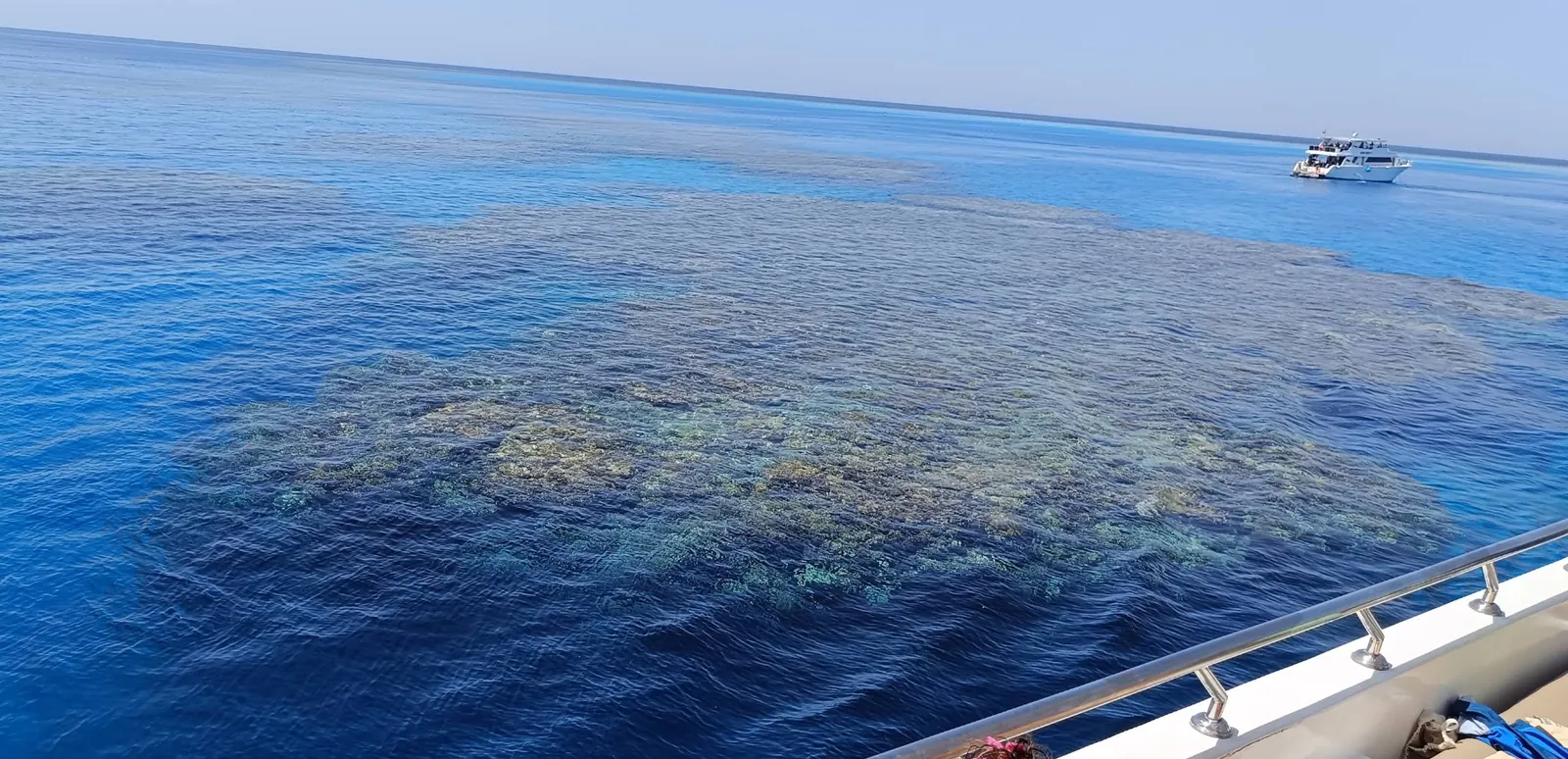
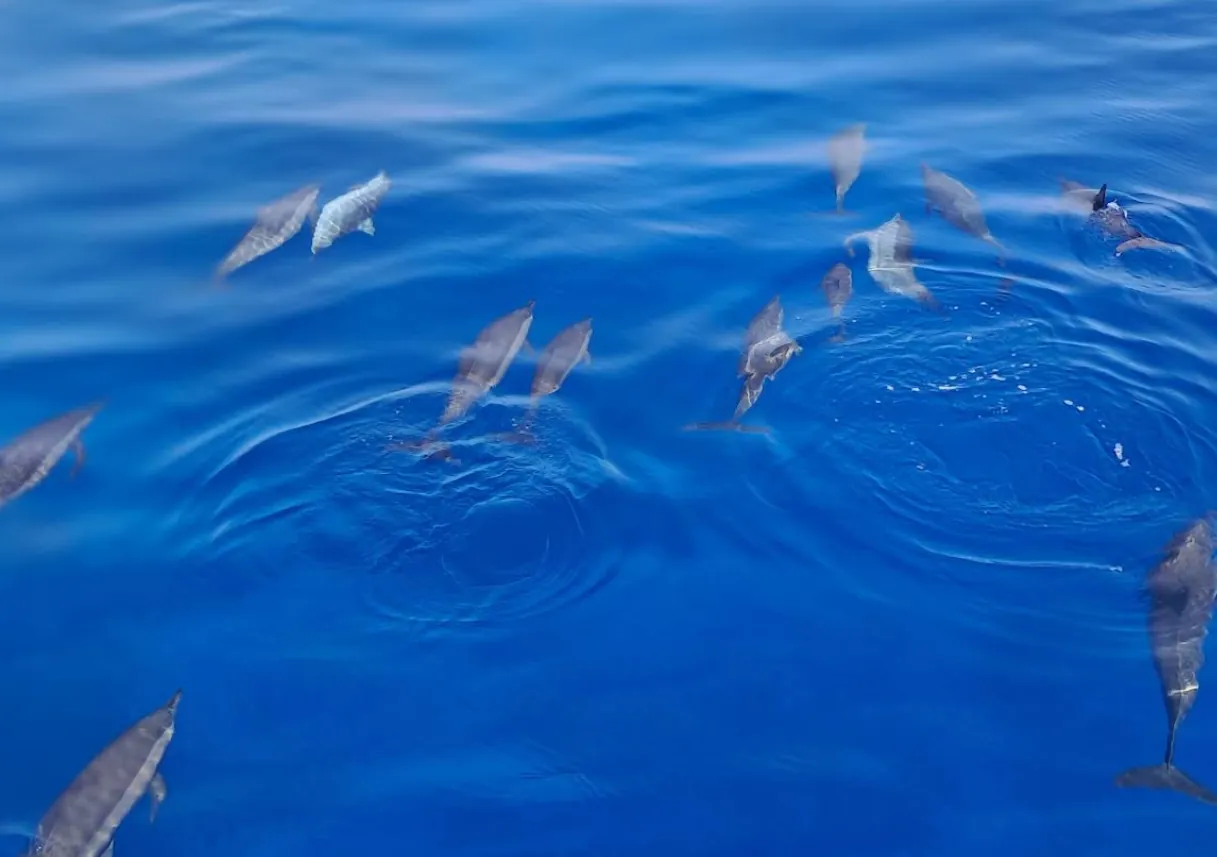
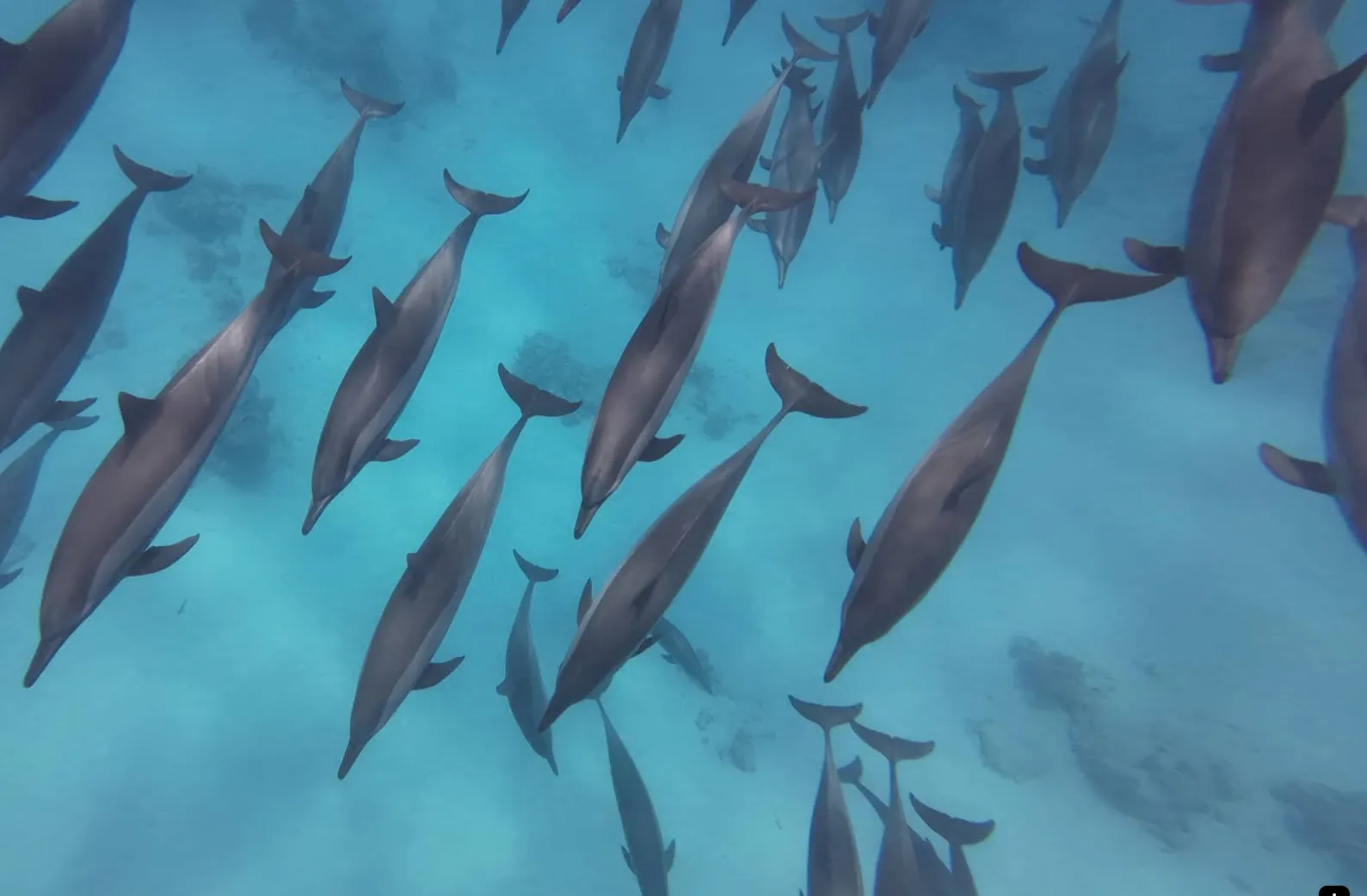
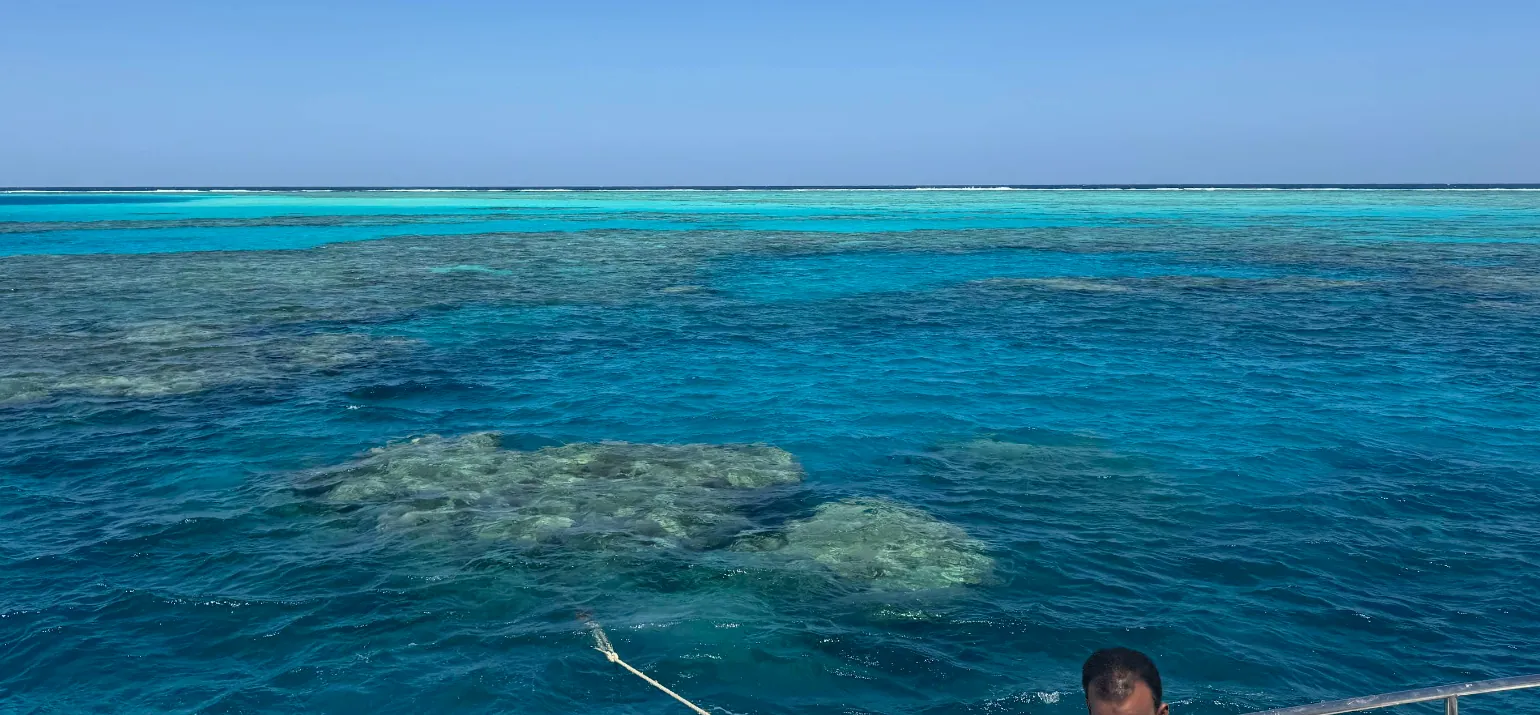
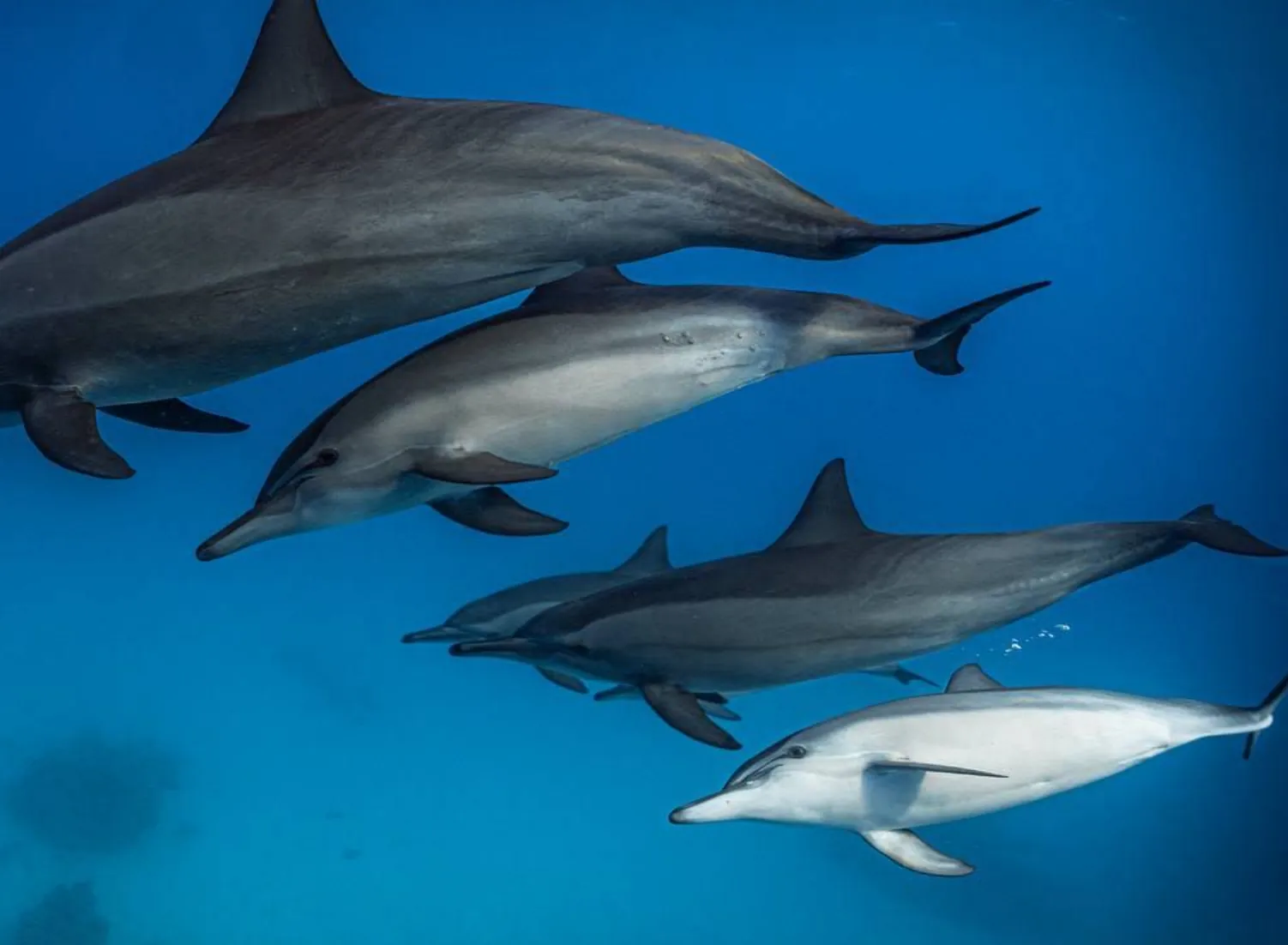
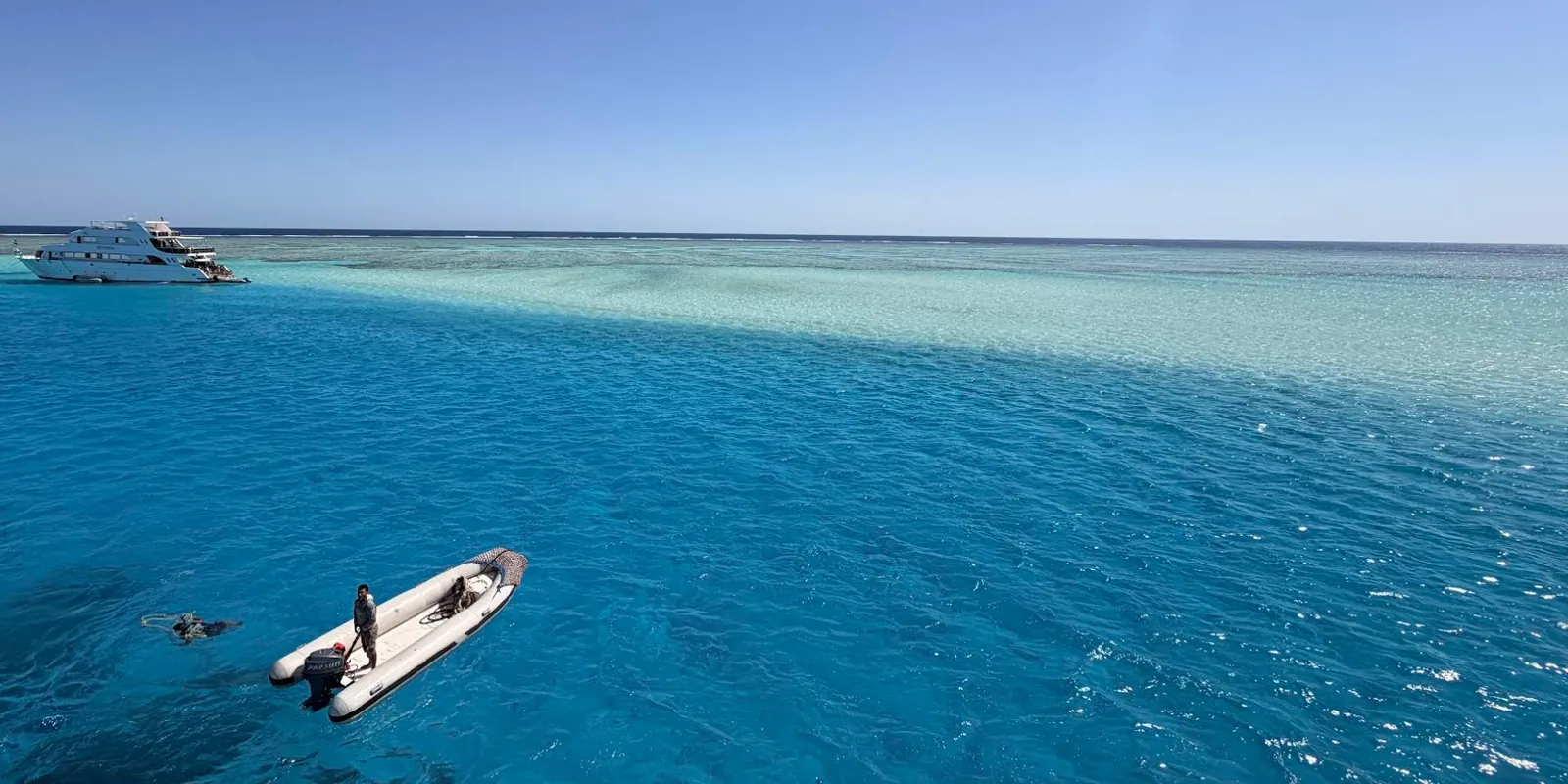
For image provenance and usage information, see photo credits. Click a photograph to view it full-size.
THE BACK OF THE NOTEBOOK
Keep the places together.
Shaab Samadai, Marsa Alam
Managed dolphin-resting reef; permitted zones and site access matter
Open the mapSataya Reef, South Red Sea
Southern dolphin reef; confirm the exact boat port and programme
Open the mapA few useful links
Services labelled “Owner-operated” belong to the business behind this publication. Book directly under the provider’s current terms.
Sources & visitor information
HEPCA — Samadai Project and protection scheme HEPCA — A Management Plan for Satayah Reef HEPCA — Dolphin Code of Conduct International Whaling Commission — Samadai management case studySource check: 5 November 2026. Visitor photographs are published with the contributors’ permission; conditions and services may change. Suggested itineraries can be adjusted to your dates, interests and confirmed bookings.